
2026 Digital Marketing Trends Guide for Growth
Unlock the future with our 2026 digital marketing trends guide. Discover AI personalization, GEO, and more strategies for lasting growth!


TL;DR:
- Effective SEO in 2026 emphasizes on-page precision, technical compliance, and AI-aware content strategies to achieve recognition rather than just rankings. Ongoing maintenance, quarterly audits, and adherence to Core Web Vitals are essential to prevent ranking erosion and ensure content remains authoritative in AI-driven search environments. Success requires disciplined execution across all layers, with professional oversight often necessary due to the growing complexity and operational demands.
An effective SEO checklist in 2026 is defined as a structured framework combining on-page optimization, technical performance, AI-aware content strategy, and sustained maintenance to drive measurable organic growth. Google’s search environment has shifted from rewarding keyword density to recognizing authoritative entities, and that shift changes everything about how you build and manage a site. The SEO goal is now recognition, not just ranking. If your current approach treats SEO as a one-time setup task, you are already behind. This guide covers every layer of what a complete SEO optimization guide for 2026 demands, and why the operational complexity behind it is far greater than most business owners expect.
On-page SEO in 2026 is built on precision, not volume. Every element from your title tag to your internal link structure sends a signal to Google and to AI systems that synthesize search results. Getting these wrong does not just hurt rankings. It makes your content invisible to the AI models that now answer millions of queries directly.
The non-negotiables for on-page structure in 2026 include:
Pro Tip: When writing title tags, treat the first three words as your most valuable real estate. Google and AI systems weight the beginning of the title more heavily, so “SEO Checklist 2026: What Marketers Need” outperforms “What Marketers Need: SEO Checklist 2026” every time.
The hidden complexity here is that on-page optimization is not a one-time task. Every new page, every content update, and every site restructure requires the same discipline. Most DIY setups apply these rules inconsistently, which creates a patchwork of well-optimized and poorly-optimized pages that confuse crawlers and dilute your authority.
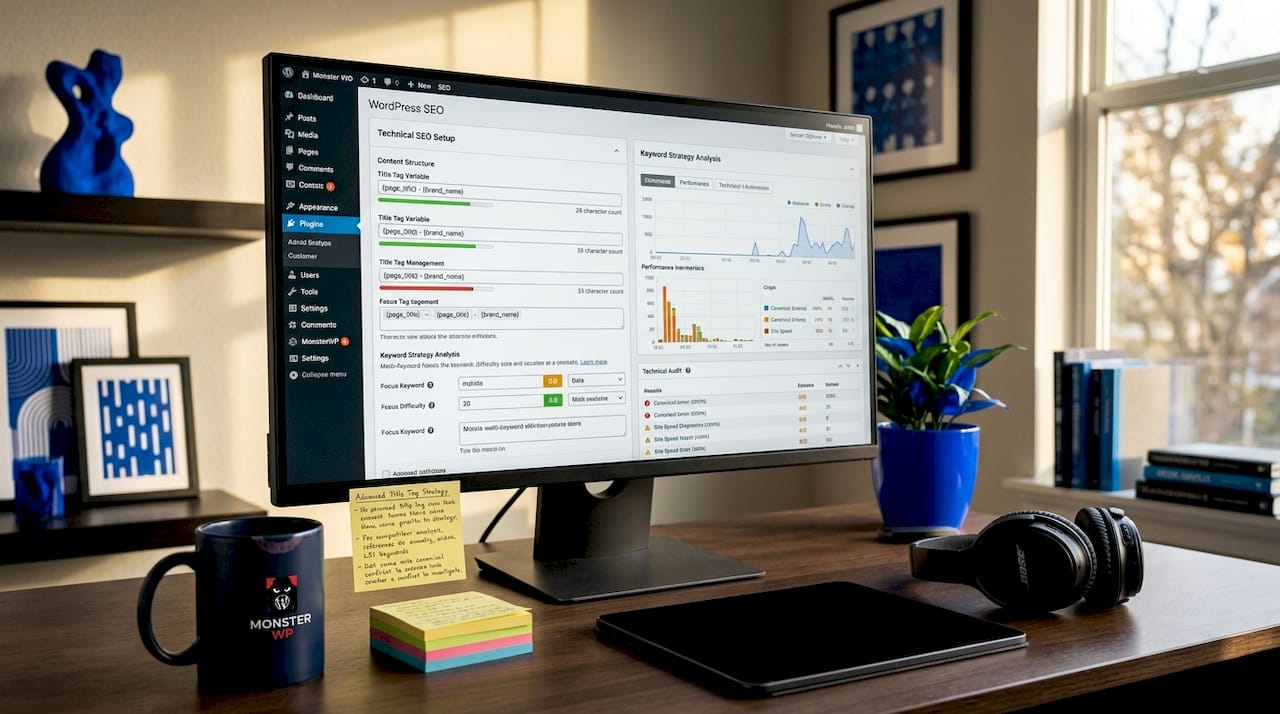
Technical SEO is where most business owners underestimate the work involved. The standards are specific, the measurement is ongoing, and the consequences of falling short are direct ranking losses.
The Core Web Vitals thresholds Google enforces in 2026 are:
| Metric | Threshold | What it measures |
|---|---|---|
| LCP (Largest Contentful Paint) | ≤ 2.5 seconds | How fast the main content loads |
| INP (Interaction to Next Paint) | < 200 milliseconds | How quickly the page responds to user input |
| CLS (Cumulative Layout Shift) | < 0.1 | Visual stability as the page loads |
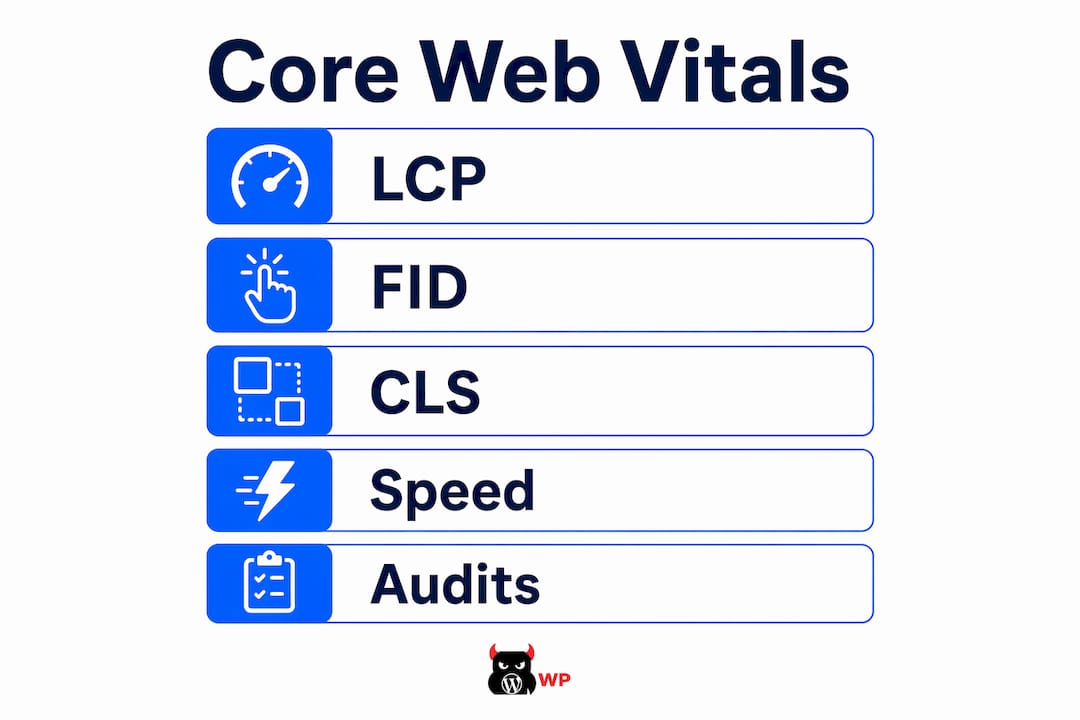
These Core Web Vitals thresholds are measured at the 75th percentile of real user sessions, not lab simulations. That distinction matters enormously. A page can score 95 on Google Lighthouse in a controlled test and still fail field data thresholds because real users on slower connections or older devices experience it differently.
The technical audit workflow that actually works follows this sequence:
Quarterly technical SEO audits are the minimum cadence to prevent technical debt from accumulating. After site migrations, major redesigns, or CMS updates, run an audit immediately regardless of schedule.
Mobile-first indexing requires content parity between your desktop and mobile versions. Hidden content on mobile, missing structured data, or inconsistent internal links between versions will suppress your rankings even if your desktop experience is flawless.
JSON-LD schema markup, particularly for Organization, Article, FAQPage, and BreadcrumbList types, is no longer optional. It is the language AI systems use to understand and cite your content. HTTPS remains a baseline trust and ranking signal. Any site still running on HTTP in 2026 is not just behind on best SEO practices. It is actively losing trust signals.
Pro Tip: Over-optimizing lab scores can actually harm real user experience. Chasing a perfect Lighthouse number sometimes means removing functionality that users rely on. Prioritize field data pass rates over synthetic perfection.
The 2026 SEO checklist for content is not about writing more. It is about writing with authority that AI systems can recognize, cite, and surface. Google’s AI Overviews now absorb traffic from queries that previously sent users to ranked pages, and AI Overviews absorb most queries ranked 7 to 10. If you are not in the top three or cited in an AI Overview, you are effectively invisible for those queries.
E-E-A-T, which stands for Experience, Expertise, Authoritativeness, and Trustworthiness, is the framework Google uses to evaluate content quality. These are not abstract ideals. They translate into concrete signals:
Question-focused H2 headings and definitional first sentences are the structural signals that get content cited in AI Overviews. When your article opens a section with “X is defined as…” or “X causes Y,” AI systems can extract and cite that sentence directly. This is not a stylistic preference. It is a citation architecture decision.
“The SEO goal has shifted from ranking position to recognition. Authority, entity clarity, and brand presence across AI and traditional search now determine who gets cited and who gets ignored.” — Search Engine Land
FAQPage JSON-LD schema increases the chance of being cited by AI engines two to four times compared to pages without it. The implementation takes roughly ten minutes and the return is disproportionate. Every content page that answers specific questions should carry this schema.
Content freshness matters too. Stale pages with outdated statistics or broken outbound citations lose authority over time. Schedule content audits every six months to update data, refresh examples, and verify that all cited sources still resolve. For more on building content that ranks for local and niche queries, the SEO strategies for local businesses guide covers the specifics in depth.
SEO maintenance is where most self-managed sites fall apart. The initial setup gets attention. The ongoing work does not. That gap is where rankings erode.
A sustainable maintenance schedule for 2026 looks like this:
Google Search Console is now the indispensable tool for monitoring both traditional SEO performance and AI Overview impressions as key performance indicators. The AI Overview impression data is relatively new and most marketers are not tracking it yet. That is a competitive gap you can close right now.
Documenting all third-party tags and assessing their performance impact is a discipline most DIY setups skip entirely. A single poorly-configured analytics tag or a bloated chat widget can push your INP score above the 200ms threshold and cost you Core Web Vitals compliance across the board.
Pro Tip: When auditing backlinks, prioritize patterns over individual links. A sudden spike in links from unrelated foreign domains is a stronger disavow signal than a handful of low-authority but topically relevant links.
Neglecting maintenance does not produce a slow, gradual decline. It produces sudden drops after algorithm updates, because technical debt accumulates invisibly until Google’s next core update surfaces it. For a detailed SEO audit workflow tailored to smaller operations, that resource covers the prioritization decisions in practical terms.
A complete SEO checklist in 2026 requires on-page precision, technical compliance, AI-aware content architecture, and disciplined ongoing maintenance to sustain organic visibility.
| Point | Details |
|---|---|
| On-page precision matters | Title tags at 50 to 60 characters with the keyword first determine both ranking and click-through rate. |
| Core Web Vitals are non-negotiable | LCP, INP, and CLS must pass at the 75th percentile of real user field data, not lab scores. |
| AI-aware content structure | Question headings, definitional sentences, and FAQPage schema increase AI citation frequency two to four times. |
| Maintenance prevents ranking loss | Quarterly audits and monthly Search Console reviews stop technical debt before it triggers ranking drops. |
| Recognition beats ranking | Entity clarity, E-E-A-T signals, and brand presence now determine who AI systems cite and surface. |
I have reviewed hundreds of self-managed WordPress sites over the years, and the pattern is consistent. The on-page basics are usually present. The technical layer is where things quietly break. Canonical tags pointing to the wrong URLs. Schema markup that validates in testing but never gets deployed to production. Core Web Vitals that pass on a fast office connection but fail for 40% of real users on mobile.
The honest truth about the 2026 SEO checklist is that the checklist itself is not the hard part. Executing it consistently, across every page, after every update, without letting anything slip, is the hard part. Most business owners do not have the bandwidth for that. Most marketing teams are stretched across too many channels to give technical SEO the attention it demands.
DIY SEO also carries a risk that rarely gets discussed: the cost of getting it wrong is not just missed rankings. It is penalties, deindexing, and the months of recovery work that follows. A misconfigured robots.txt file can block Google from crawling your entire site. A botched site migration can wipe out years of accumulated link equity overnight. These are not edge cases. They happen regularly to sites managed without professional oversight.
The SEO ranking factors for SMBs are not a mystery. The execution discipline is what separates sites that grow from sites that stall. Treating SEO as an investment in sustained infrastructure rather than a one-time project is the mindset shift that actually produces results.
— Vector
Keeping a WordPress site technically compliant, fast, and AI-ready in 2026 is a full-time operational commitment. Most businesses cannot afford to treat it that way.
MonsterWP handles every layer of that complexity for you. Every site we build is custom-built for performance and SEO from day one, with Core Web Vitals compliance, JSON-LD schema, and mobile-first architecture built into the foundation. We monitor, maintain, and update your site continuously so technical debt never accumulates. No bloated retainers. No surprise invoices. Just a site that works, ranks, and generates leads while you focus on running your business.
Technical Core Web Vitals compliance and AI-aware content structure are the two highest-impact priorities. Sites that pass LCP, INP, and CLS field data thresholds while using question headings and FAQPage schema gain the most ground in both traditional and AI-powered search.
Quarterly technical audits are the recommended minimum, with additional audits after any major site change, migration, or CMS update to catch issues before they affect rankings.
Meta descriptions do not directly influence Google’s ranking algorithm, but they function as ad copy that drives click-through rate. A well-written meta description at 150 to 160 characters with a clear call to action measurably improves organic traffic from the same ranking position.
Structure your content with question-focused H2 headings, definitional opening sentences, and FAQPage JSON-LD schema. AI Overview citations favor pages that answer specific questions directly and clearly, with authoritative outbound citations supporting the claims.
The foundational checklist is the same regardless of experience level. The difference is execution depth. Beginners should prioritize on-page basics and Core Web Vitals first. Experienced marketers should layer in entity optimization, AI citation architecture, and sustained maintenance workflows to compete at the top of their categories.
Unlock the future with our 2026 digital marketing trends guide. Discover AI personalization, GEO, and more strategies for lasting growth!

Discover what is predictable pricing in web services and learn how fixed costs can empower your SMB’s budget. Gain financial control today!